10 Best Vocal Microphones 2026 in the United States

Related Products
Up to 25% off

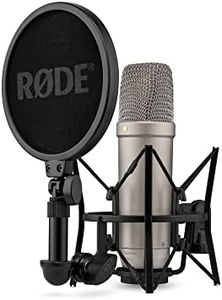
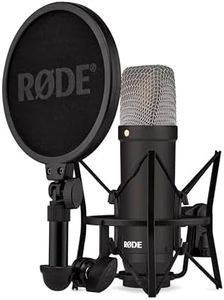
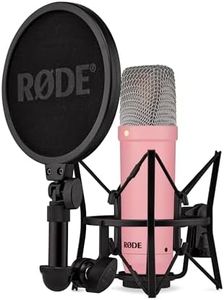
Our technology thoroughly searches through the online shopping world, reviewing hundreds of sites. We then process and analyze this information, updating in real-time to bring you the latest top-rated products. This way, you always get the best and most current options available.

Our Top Picks
Winner
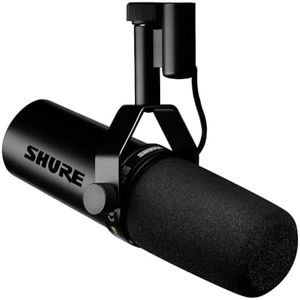
Shure SM7dB Dynamic Vocal Microphone with Built-in Preamp – Studio Mic for Streaming, Podcasting, and Recording – Smooth Sound, Wide Frequency Range, Rugged Build, Windscreen Included, XLR, Black
Most important from
12759 reviews
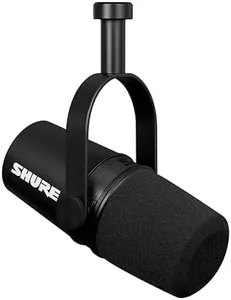
The Shure SM7dB is a dynamic vocal microphone that excels in capturing warm and smooth sound, making it a popular choice for streaming, podcasting, and recording. One of its standout features is the built-in preamp, offering up to 28 dB of low-noise gain, which means you can achieve a clean sound without needing external preamps. This feature is particularly beneficial for those working in environments where space and equipment management are crucial.
With a wide frequency response from 50 to 20,000 Hz, the SM7dB ensures that both high and low tones are accurately captured, which is great for vocals and a variety of instruments. Its unidirectional cardioid polar pattern is effective at isolating sound from the main source while minimizing background noise, which is ideal for less-than-perfect recording spaces.
The microphone maintains the legendary sound quality of its predecessor, the SM7B, with the added flexibility of multiple sound signature options using switches on its back. This adaptability is a plus for users looking to customize their audio output. However, the SM7dB requires an interface or mixer with +48V phantom power to operate the preamp, which might not be convenient for everyone, especially beginners who may not have such equipment readily available. Additionally, at 2.7 pounds, it's slightly heavier than some other options, which might be a consideration for users looking for a more portable setup.
In terms of build quality, the SM7dB is rugged and durable, promising long-term reliability. It comes with a detachable windscreen and thread adapter, adding to its versatility. Though slightly pricier, its performance and features justify the investment for serious content creators and professionals who need a reliable and high-quality microphone.
Most important from
12759 reviews
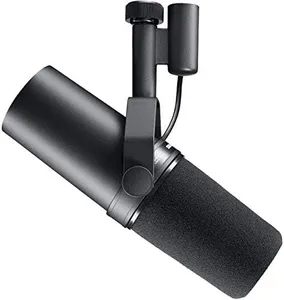
Shure SM7B Vocal Dynamic Microphone – XLR Studio Mic for Podcasting, Recording, Broadcasting, Streaming & Gaming – Smooth, Warm Sound, Rugged Build, Detachable Windscreen, Wide Frequency Range, Black
Most important from
12759 reviews
The Shure SM7B is a highly regarded dynamic microphone designed for various applications such as studio recording, podcasting, and live streaming. One of its biggest strengths lies in its versatility; it’s trusted by many professionals across different fields for its ability to deliver clean and natural sound reproduction, making it ideal for both speech and music. The cardioid polar pattern effectively minimizes background noise, focusing on the sound source in front of it, which is a major plus for vocalists and podcasters. The microphone's rugged build quality ensures durability, and it comes with useful accessories like a detachable windscreen and a pop filter, enhancing its usability.
There are considerations to keep in mind. The SM7B requires a good amount of gain to perform optimally, typically needing around 60dB, which might necessitate an additional preamp for users without a high-quality audio interface. This can add to the cost and complexity of setup for those new to audio equipment. Additionally, being an XLR microphone means it isn't plug-and-play; users need to connect it to an audio interface or mixer, which may not be suitable for casual users looking for a straightforward solution.
The Shure SM7B excels in providing high-quality audio for serious vocal applications, but potential users should be aware of its need for proper gain and additional equipment for optimal performance. It’s an excellent choice for those committed to producing professional-level sound but may be less accessible for beginners looking for simplicity.
Most important from
12759 reviews
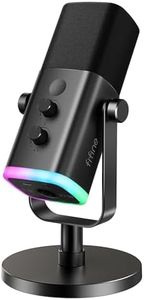
FIFINE USB/XLR Dynamic Microphone for Podcast Recording, PC Computer Gaming Streaming Mic with RGB Light, Mute Button, Headphones Jack, Desktop Stand, Vocal Mic for Singing YouTube-AmpliGame AM8
Most important from
10214 reviews
The FIFINE AM8 is a versatile dynamic microphone designed with both USB and XLR connections, making it a strong choice for beginners and more experienced users alike. It uses a unidirectional (cardioid) polar pattern that helps focus on your voice while minimizing background noise, which is ideal for gaming, podcasting, and streaming. Its frequency response ranges from 50Hz to 16KHz, covering the essential vocal range and delivering natural, clear audio without exaggerating any part of your voice.
The microphone's build is solid, combining durable metal and ABS plastic, giving it a sturdy feel suitable for desktop use. It includes practical features like a mute button with an LED indicator, a headphone jack for real-time monitoring, and volume/gain controls to adjust sound levels easily without needing extra software. The RGB lighting adds a fun touch for gamers, with customizable colors and modes that remember your settings.
A key advantage is its dual connectivity: USB is plug-and-play, perfect for those starting out or who want easy setup, while XLR allows for professional upgrades with mixers and sound cards, offering better sound fidelity and noise isolation. The microphone is optimized for close-range use (2 to 6 inches from the mouth) and includes a windscreen to reduce unwanted noise from wind or electrical hum. The 80 dB signal-to-noise ratio suggests reasonably clean sound quality for casual and semi-professional use. It does not include the XLR cable and boom arm stand, which need to be purchased separately for a full professional setup. The FIFINE AM8 provides good vocal clarity and user-friendly features, making it suitable for podcasters, streamers, and gamers who want an affordable, flexible microphone that grows with their setup. While it may not replace high-end studio mics for professional singers, it offers excellent value for its price range and intended uses.